
A product data pack turns a finished sample into something a retailer can list, market, receive and support. It should answer the customer's practical questions without copying unverified supplier claims.
1. The buyer's answer: how to approach how to build a retailer-ready homeware product data pack
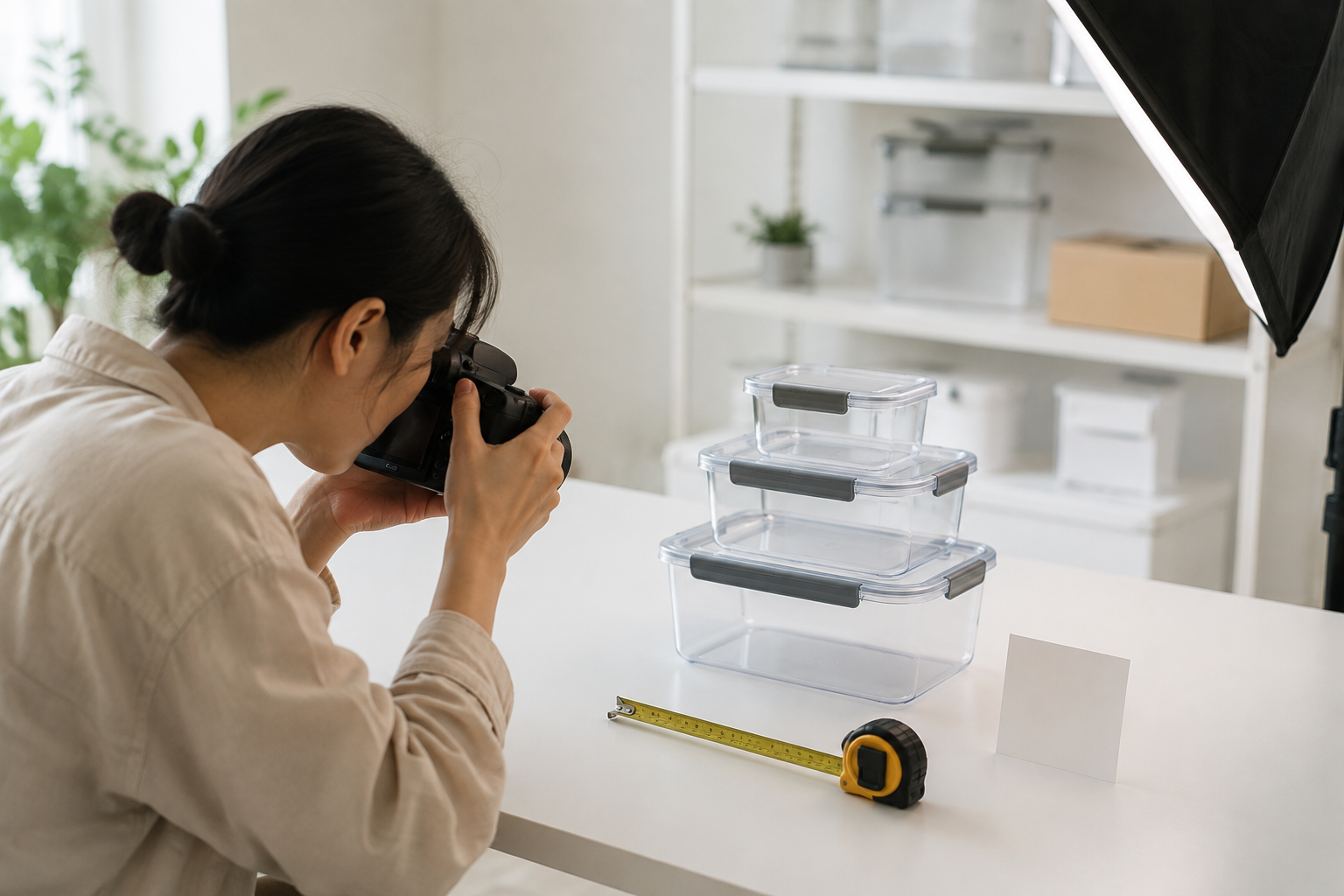
Build the pack from approved evidence. Include the product name, SKU, variant, product application, finished dimensions, capacity where relevant, material or component description, set count, care information, retail-pack details, barcode status, carton data and accurate images. Mark fields that are pending instead of guessing.
The most reliable route is to make the buying decision visible before asking for a final price. State the target market, intended channel, product role, quantity range, and any non-negotiable requirement. This turns a broad catalogue request into a reviewable brief and gives both parties a clearer basis for sample, packing, and shipment preparation.
2. Build the commercial decision before comparing quotations
Keep product data aligned with the agreed range role. The title, primary benefit, size or capacity, set content and pack type should help a buyer compare like with like. Do not use product photography to hide an unclear variant, missing component or unrealistic scale.
Compare like with like. A lower unit price can reflect a different material route, component set, pack configuration, carton quantity, or inspection scope. Ask suppliers to show the assumptions behind a quotation and retain the version with the selected option. That record is useful when the approved sample, shipment inspection, and invoice are reviewed later.
| Decision area | Buyer question | Approval evidence |
|---|---|---|
| Identity | Can the item be uniquely listed? | SKU and variant record |
| Product facts | Are dimensions and materials approved? | Measured sample record |
| Images | Do they show the real product? | Approved photo set |
| Logistics | Can the retailer receive it? | Pack and carton data |
3. Define the product evidence a buyer should see
Measure and photograph the finished approved product, not an early rendering. Record units of measure, external versus usable dimensions where that distinction matters, capacity conditions, product weight when supplied, material route and care conditions. Where a claim requires substantiation, request the evidence before it reaches a customer-facing page or pack.
Use the approved sample as a shared reference rather than relying on a product image alone. In practical factory testing, this means checking the visible parts, assembly, fit, moving components, count, and any agreed function against a documented reference. It is better to describe a limited, testable condition than to use a broad marketing claim that cannot be verified.
4. Make sample approval and factory checks specific
Give product, packaging and quality teams a data review checkpoint before final artwork and before shipment. Compare the data pack to the approved sample and production pack. A factory quality check can confirm visible item identity and set count, but should not be used to invent missing retail copy at the last minute.
Before goods are complete, agree the inspection timing, the approved product and pack references, the critical functions, visible tolerances, and the action route if a finding needs correction. A factory quality check or third-party shipment inspection can then report against an agreed scope instead of making an improvised judgement on the day.

5. Treat retail packing and export packing as part of the product
Show retail-pack dimensions, inner-pack and master-carton counts, barcode location and photographs of the finished pack. If the item is nested, folded or assembled, explain how the shopper receives it. These details help ecommerce, store operations and logistics teams prepare correctly.
Ask for a pre-production photo set before mass production is finished: the product in the retail pack, front and back panels, internal protection, barcode area, inner pack, and master carton. This simple record helps product, logistics, and buying teams identify a mismatch while there is still time to correct it.
6. Send a sourcing brief that earns a useful reply
Send DayMild the retailer's data template, target market, product list, required imagery, claim-review process, pack information and deadline. We can help identify what should be measured, photographed and approved before production is completed.
A short, honest first brief is enough to start. DayMild can help buyers translate a category idea into a product, packaging, and quality discussion. Browse our everyday homeware product categories to see relevant formats, then send the destination market, target quantity, preferred delivery window, and the questions your team needs answered.
Frequently asked questions
What images belong in a homeware data pack?
Use clear approved product images, detail images where useful, pack images and application images that do not misrepresent the item or its scale.
Should supplier material claims be copied into retailer data?
Only use claims that match the finished product and have been approved through the responsible team's evidence process.
When should product data be finalized?
Finalize it against the approved product and pack before publication or shipment, then control any later product change.
How can I start a homeware sourcing enquiry?
Send DayMild the product category, target market, estimated quantity, pack requirements, timeline, and the most important buying questions. We will help identify the next product, packing, and quality decisions to review.
Conclusion: make the handoff clear before production
Good homeware sourcing is not about asking a supplier to promise everything. It is about defining the product, retail presentation, and inspection evidence that matter for the selected market. The clearer the approved brief, the more useful the quote, sample review, factory testing, and shipment handoff become.
When you are ready, send your requirements with your category, market, and buying priorities. DayMild will respond with relevant product options and the next practical questions.